
 Call us now:

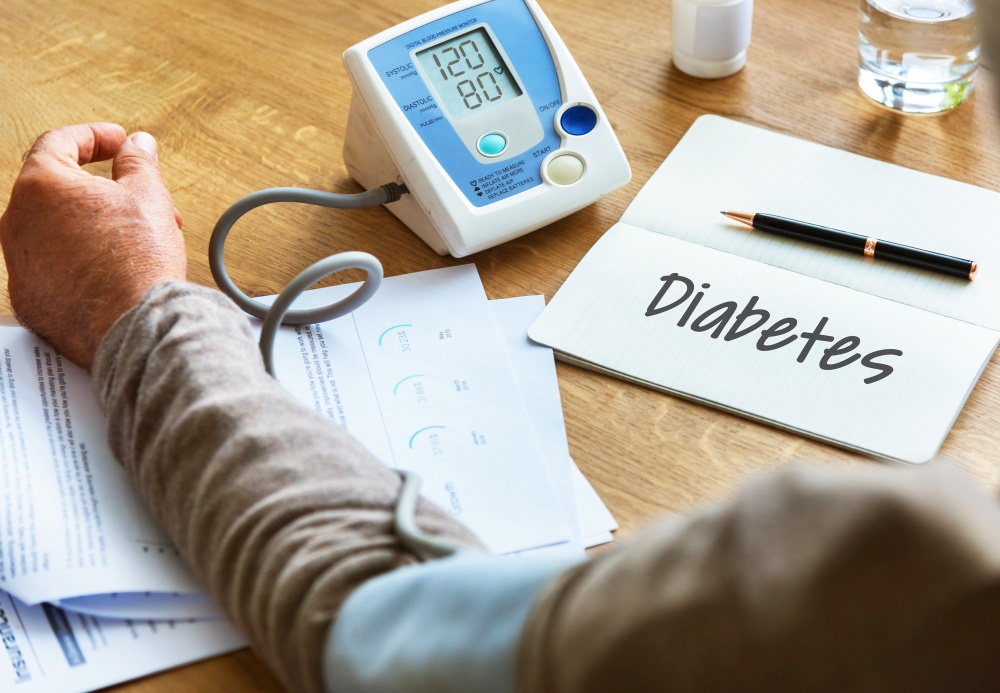
Prediabetes rarely announces itself. There’s no single dramatic symptom that sends you rushing to a doctor-instead, it builds quietly, often for years, while your blood sugar creeps upward and your cells slowly become resistant to insulin. By the time many people are diagnosed, they’ve been prediabetic for a long time without knowing it.
The encouraging part is this: prediabetes is one of the few “pre-disease” stages where diet and lifestyle changes can genuinely change the outcome. Type 2 diabetes is not inevitable just because your blood sugar is trending in the wrong direction. But you can only act on it if you know what to look for-and understand why it’s happening in the first place, not just how to mask it.
This blog breaks down the early warning signs of prediabetes, what’s really going on inside your body, and how a targeted, root-cause nutrition approach can help you reverse course before it becomes type 2 diabetes.
What Is Prediabetes, Really?
Prediabetes means your blood sugar levels are higher than normal but not yet high enough to be classified as type 2 diabetes. Clinically, it’s usually flagged through:
- Fasting blood glucose: 100-125 mg/dL
- HbA1c (average blood sugar over 3 months): 5.7%-6.4%
- Oral Glucose Tolerance Test (OGTT): 140–199 mg/dL two hours after a glucose load
But here’s what most lab reports don’t tell you: prediabetes is a symptom, not the root problem. The real issue underneath is usually insulin resistance -a state where your cells stop responding properly to insulin, forcing your pancreas to work overtime to keep blood sugar in check. Left unaddressed, this internal struggle eventually tips over into full-blown type 2 diabetes.
This is exactly why simply “watching your sugar intake” is rarely enough. You need to understand why your body isn’t utilizing sugar efficiently-which is where a functional, root-cause approach to nutrition makes the difference between managing numbers and actually reversing the condition.
10 Early Warning Signs of Prediabetes You Shouldn’t Ignore
Many of these symptoms are subtle and easy to write off as stress, poor sleep, or “just getting older.” Pay attention if you notice more than one of the following:
- Increased thirst and frequent urination– especially needing to urinate more at night
- Unusual fatigue, particularly a heavy, sleepy feeling after meals
- Sugar or carb cravings that feel hard to control, especially in the afternoon
- Weight gain around the abdomen, even without major changes in diet
- Darkened patches of skin (acanthosis nigricans) around the neck, armpits, or groin
- Blurred vision that comes and goes
- Slow-healing cuts or wounds
- Frequent infections, including skin, gum, or urinary infections
- Tingling or numbness in the hands or feet
- Family history of type 2 diabetes, PCOS, or gestational diabetes- a major risk multiplier, especially common in Indian women
If several of these sound familiar, it’s worth getting your fasting insulin, HbA1c, and fasting glucose checked-not just glucose alone. Insulin resistance often shows up in fasting insulin levels years before HbA1c crosses into the prediabetic range.
Why Indians Are at Higher Risk
South Asians, including Indians, tend to develop insulin resistance and type 2 diabetes at a lower BMI and a younger age than Western populations-a pattern often referred to as the “thin-fat Indian” phenotype. Higher visceral fat (fat stored around organs, not just under the skin), genetic predisposition, and diets heavy in refined carbohydrates all contribute. This makes early screening and prevention especially important if you live in India or have Indian genetics, regardless of how you look on the outside.
Can Diet Actually Prevent Type 2 Diabetes?
Yes-and this isn’t just optimistic advice; it’s well-supported by research. Structured lifestyle and dietary interventions have been shown to significantly reduce the progression from prediabetes to type 2 diabetes, in some studies by more than half. The catch is that generic advice like “eat less sugar” or “cut carbs” rarely works long-term because it doesn’t address why your body developed insulin resistance in the first place.
A more effective approach looks at:
1. Identifying the Root Cause of Insulin Resistance
Insulin resistance can stem from different underlying drivers-chronic stress and elevated cortisol, poor sleep, gut dysbiosis, hormonal imbalances (especially PCOS), nutrient deficiencies like magnesium or vitamin D, or simply years of high-glycemic eating patterns. Functional testing can help identify which of these is driving your specific case, rather than applying a one-size-fits-all diet plan.
2. Rebuilding Meals Around Blood Sugar Stability
Rather than eliminating entire food groups, the focus shifts to how meals are structured:
- Pairing carbohydrates with protein, fibre, and healthy fats to slow glucose absorption
- Prioritizing whole, minimally processed foods over refined grains and sugars
- Sequencing meals strategically (vegetables and protein before carbs) to blunt post-meal sugar spikes
- Choosing lower-glycemic, culturally appropriate substitutions instead of foreign “diet foods”
3. Correcting Nutrient Deficiencies
Deficiencies in magnesium, chromium, and vitamin D, all extremely common in the Indian population, are directly linked to poorer insulin sensitivity. Correcting these through diet and, when needed, targeted supplementation can meaningfully improve how your body handles sugar.
4. Addressing Gut Health
An imbalanced gut microbiome has been linked to insulin resistance and inflammation. Improving gut health through fibre diversity, fermented foods, and reducing gut irritants can be an overlooked but powerful lever in blood sugar management.
5. Lifestyle Factors That Work Alongside Diet
- Movement after meals: Even a 10–15 minute walk after eating measurably lowers post-meal glucose spikes
- Sleep quality: Poor sleep directly worsens insulin sensitivity, even in people eating a “perfect” diet
- Stress management: Chronically elevated cortisol drives blood sugar up regardless of what’s on your plate
Why a Personalized, Functional Nutrition Approach Works Better
Generic diet plans treat high blood sugar as the problem to be solved. A functional nutrition approach treats it as a signal, a clue pointing to what’s actually going wrong inside the body, whether that’s insulin resistance, hormonal imbalance, gut dysfunction, or chronic stress. By using detailed testing and analysis to understand your unique biochemistry, it becomes possible to build a nutrition and lifestyle plan that addresses the actual cause, not just the number on your lab report.
This is particularly important for conditions like PCOS-related insulin resistance, which is extremely common among Indian women and often gets missed when the focus stays purely on blood sugar numbers rather than the underlying hormonal picture.
When Should You Get Tested?
Don’t wait for symptoms to become obvious. Consider getting screened if you:
- Are over 35, or over 25 with additional risk factors
- Have a family history of type 2 diabetes
- Are overweight, particularly with abdominal fat
- Have PCOS or a history of gestational diabetes
- Lead a largely sedentary lifestyle
- Have noticed any of the warning signs listed above
Early detection at the prediabetes stage, rather than waiting for a type 2 diabetes diagnosis, dramatically widens your options for reversing the condition through diet and lifestyle alone.
The Bottom Line
Prediabetes is a warning, not a life sentence. With the right root-cause approach — one that looks beyond blood sugar to understand what’s really driving insulin resistance in your body — it’s entirely possible to bring your numbers back to a healthy range and prevent progression to type 2 diabetes.
If you’ve noticed any of the warning signs above, or simply want clarity on where you stand, working with a dietician who looks at the full picture — testing, root cause analysis, and a personalized nutrition plan — is one of the most effective steps you can take.
Ready to understand what’s really driving your blood sugar levels?
Book a consultation with Dietitian Shivani Gulati and start a functional nutrition plan built around your unique biochemistry.
Frequently Asked Questions
Q: Can prediabetes be reversed completely through diet alone?
For many people, yes – especially when caught early and paired with lifestyle changes like movement, sleep, and stress management alongside diet.
Q: How long does it take to reverse prediabetes?
This varies by individual, but meaningful improvements in blood sugar markers are often seen within 3–6 months of consistent, targeted dietary changes.
Q: Is prediabetes the same as insulin resistance? Not exactly — insulin resistance is usually the underlying driver, and prediabetes (elevated blood sugar) is often one of its visible consequences.
Q: Do I need to cut out carbs completely to manage prediabetes? No. The focus is on the type, quantity, and combination of carbohydrates you eat, not complete elimination.